
SHOP













What Is Slow Fashion and Why Does It Matter?


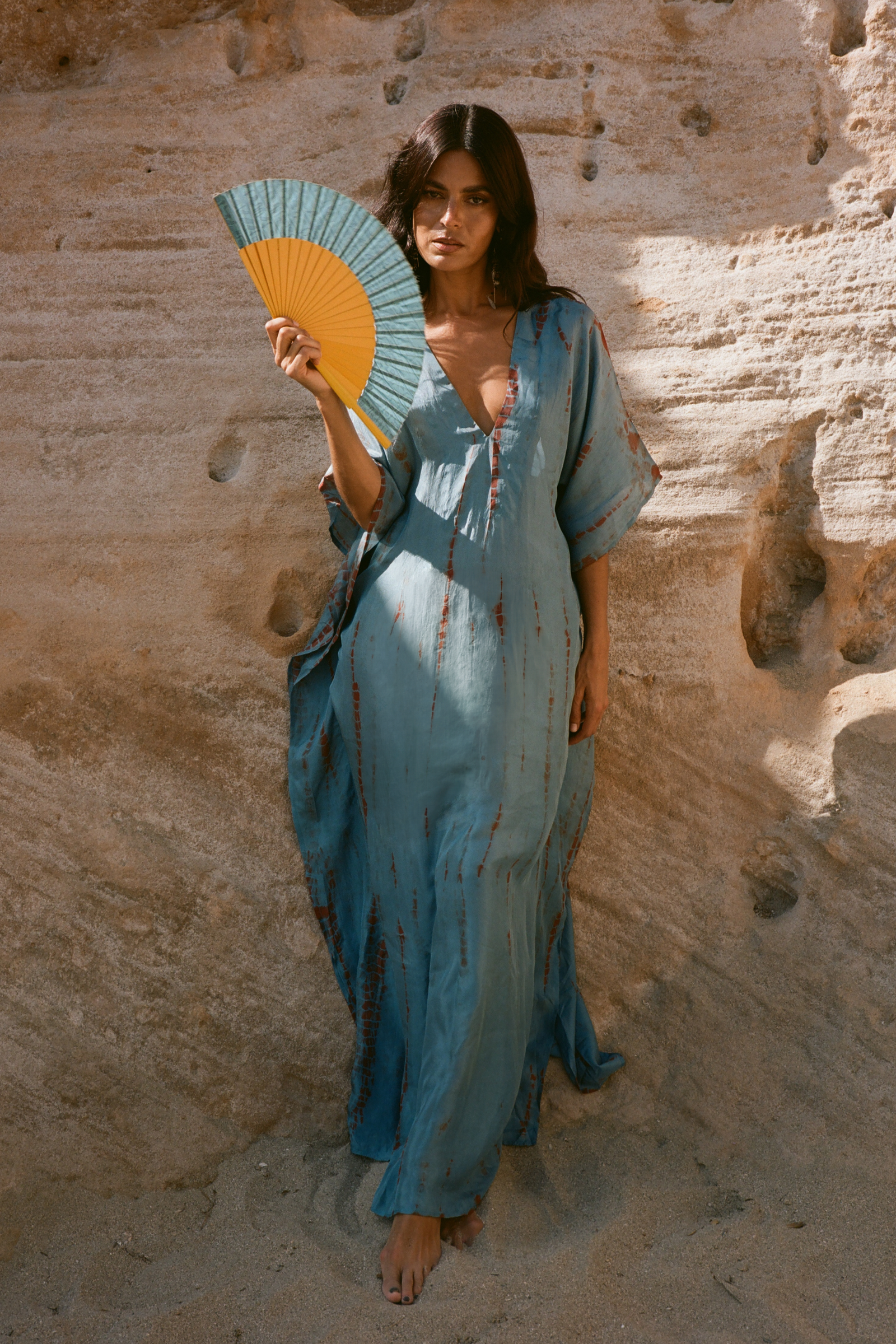
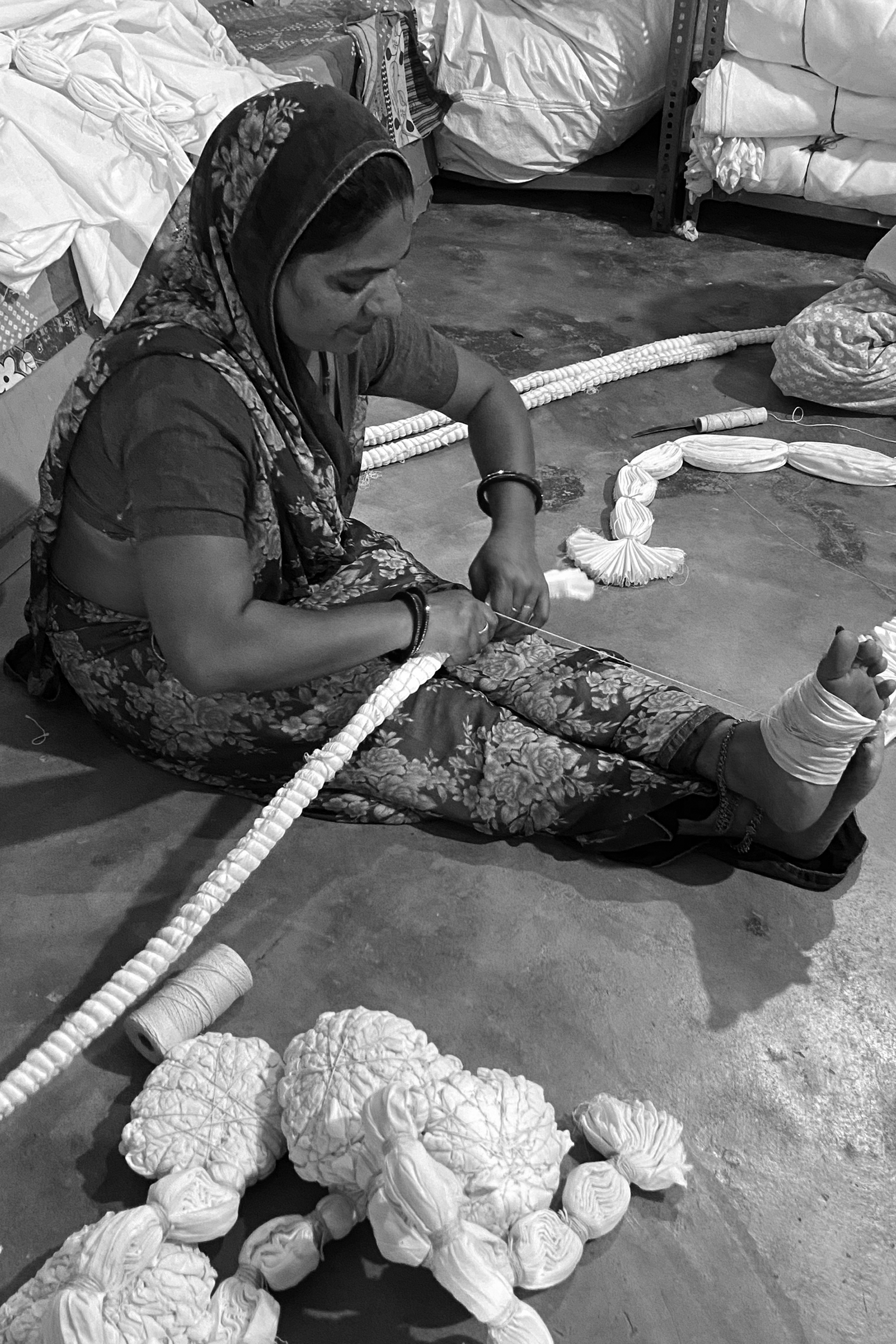
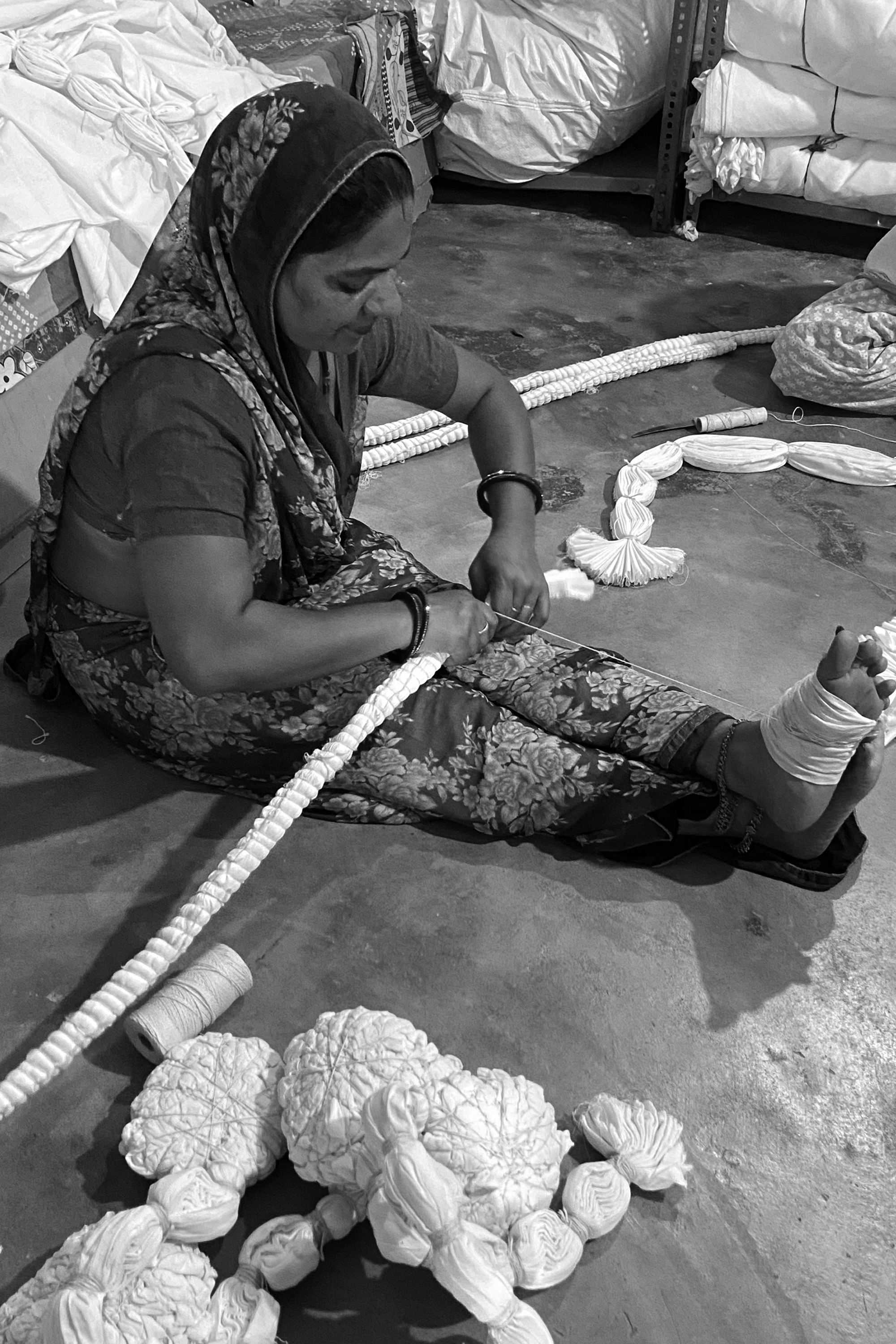
Slow fashion is more than a trend. It is a mindset, a movement, and a conscious shift in how we design, make, buy, and wear clothing. At FARA Boutique, this philosophy comes to life through collections created slowly and intentionally - like our Desert Sands collection, developed in close collaboration with artisan tie dyers who work by hand, allowing each piece to evolve organically rather than being rushed into production. In a world dominated by fast fashion, where garments are produced quickly, cheaply, and often at great cost to people and the planet ,slow fashion offers a thoughtful alternative rooted in quality, ethics, and longevity.
At FARA Boutique, slow fashion is not a marketing term. It is the foundation of how we work, from the first hand-drawn illustration to the final stitch. It also guides our approach to innovation, as seen in our Rise collection, where digital printing is used thoughtfully to significantly reduce water consumption while still honouring detailed, expressive design. But what does slow fashion really mean, and why does it matter now more than ever?
What Is Slow Fashion? Slow fashion is an approach to fashion that prioritises:
-
Ethical production and fair working conditions
-
High-quality materials and craftsmanship
-
Smaller, considered production runs
-
Environmental responsibility
-
Timeless design over seasonal trends
The term was inspired by the “slow food” movement and emerged as a response to the environmental and human impact of mass-produced clothing. Rather than chasing constant newness, slow fashion encourages us to slow down, to ask where our clothes come from, who made them, and how long they are meant to last.
In practice, slow fashion means choosing garments that are made with intention, designed to be worn again and again, and produced in ways that respect both people and the planet.
To understand why slow fashion matters, it helps to look at what it is pushing back against.
Fast fashion relies on rapid production cycles, low-cost labour, and synthetic materials. New collections appear weekly, encouraging overconsumption and disposability. The true cost of this model is often hidden:
-
Garment workers paid unfair wages or working in unsafe conditions
-
Excessive water use and chemical pollution
-
Synthetic fibres shedding microplastics into oceans
-
Millions of tonnes of clothing sent to landfill each year
Clothes are worn fewer times than ever before, and the idea of mending, re-wearing, or cherishing garments has been replaced by constant replacement.
Slow fashion challenges this cycle by asking us to value clothing again.
Why Slow Fashion Matters
1. It Protects People
At the heart of slow fashion is respect for the people who make our clothes. Ethical fashion brands prioritise fair wages, safe working environments, and dignified conditions throughout the supply chain.
By producing in smaller quantities and working closely with artisans and makers, slow fashion allows for transparency and accountability—something that is almost impossible in mass production systems.
2. It Reduces Environmental Impact
The fashion industry is one of the world’s largest polluters. Slow fashion reduces harm by:
-
Producing fewer garments, more intentionally
-
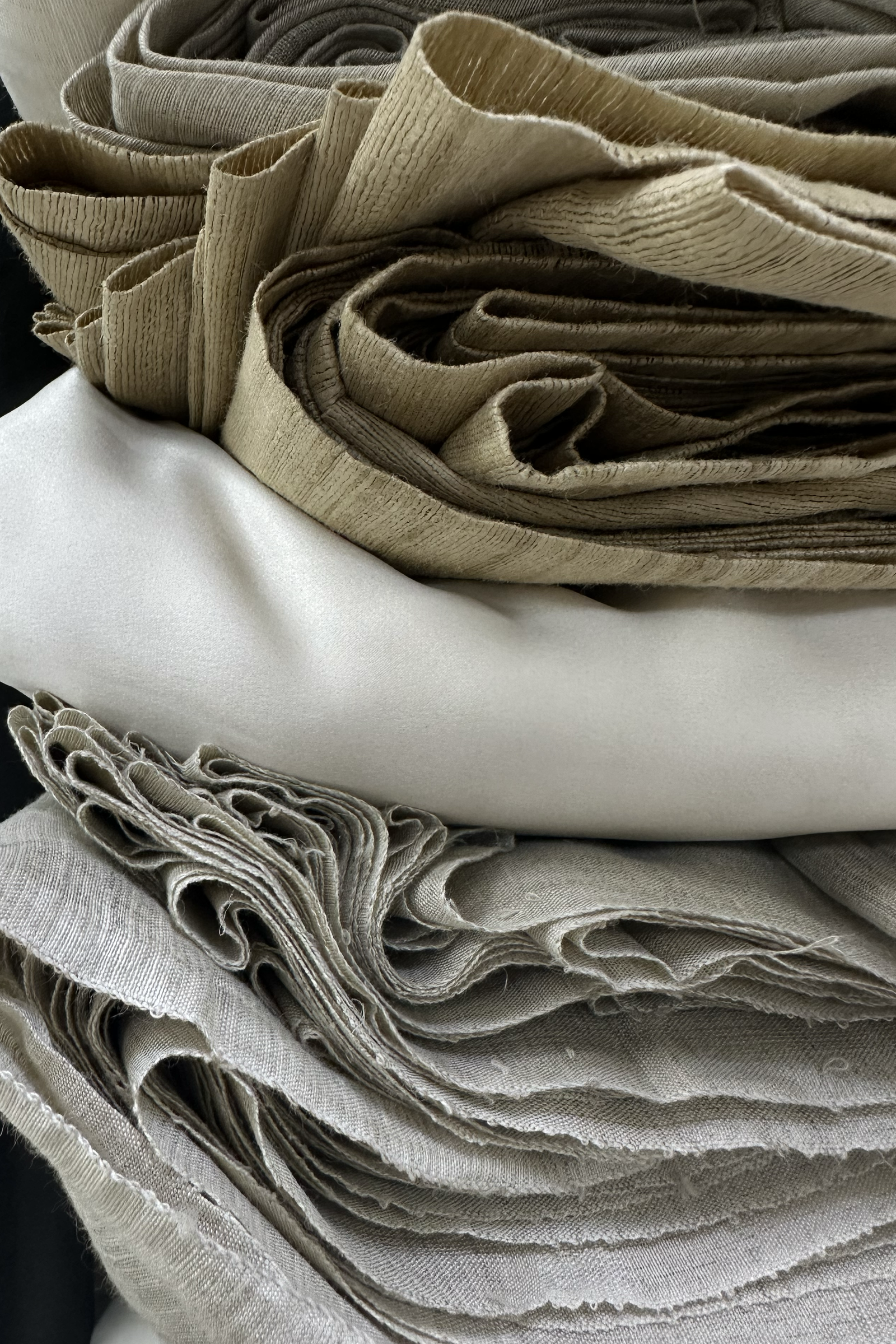
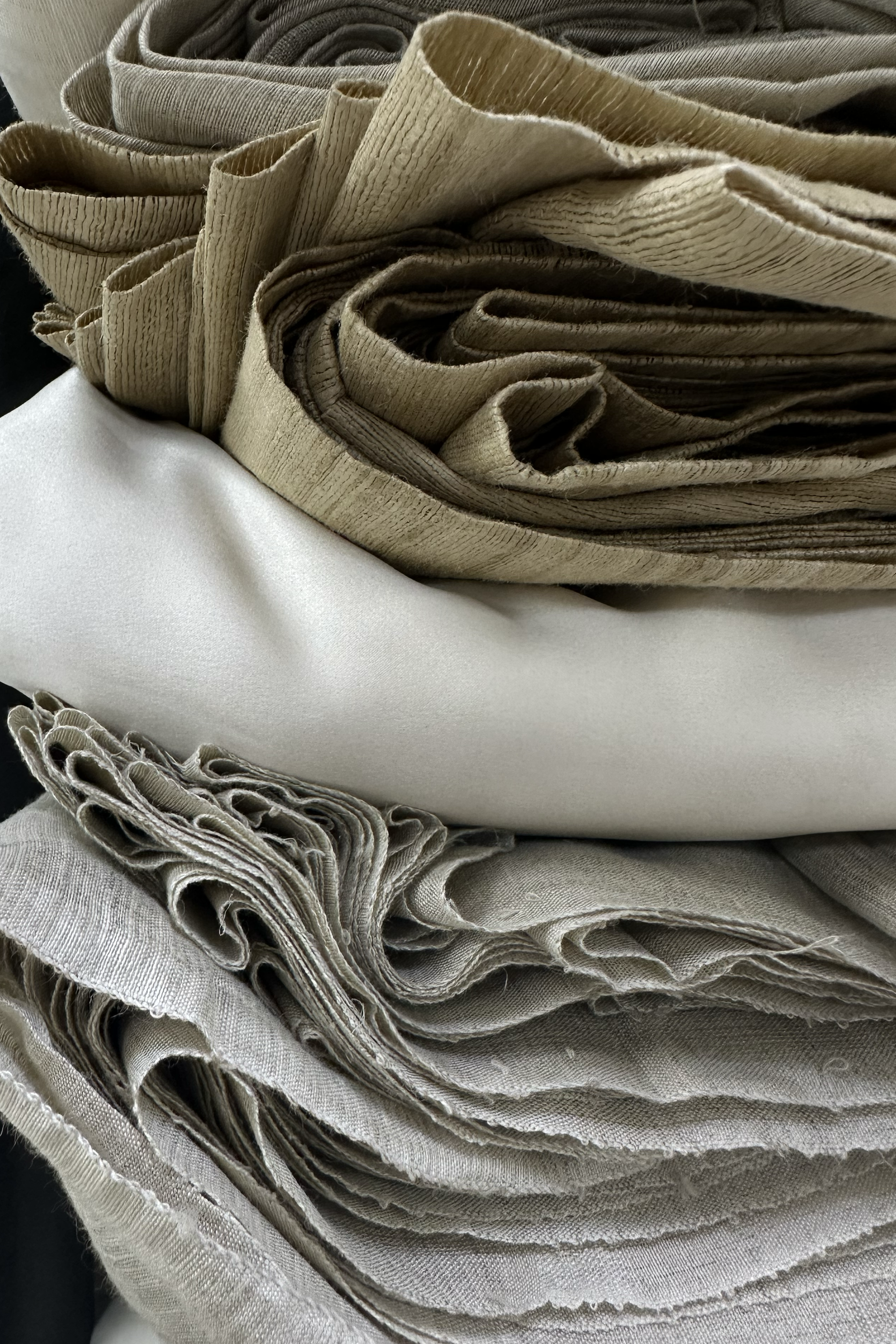
Using natural or responsibly sourced materials
-
Avoiding unnecessary waste and overstock
-
Encouraging longer garment lifespans
When clothing is designed to last, it naturally reduces demand for constant production.
3. It Encourages Better Design
Slow fashion values craftsmanship and storytelling. Rather than replicating trends, designers create pieces with depth, meaning, and individuality.
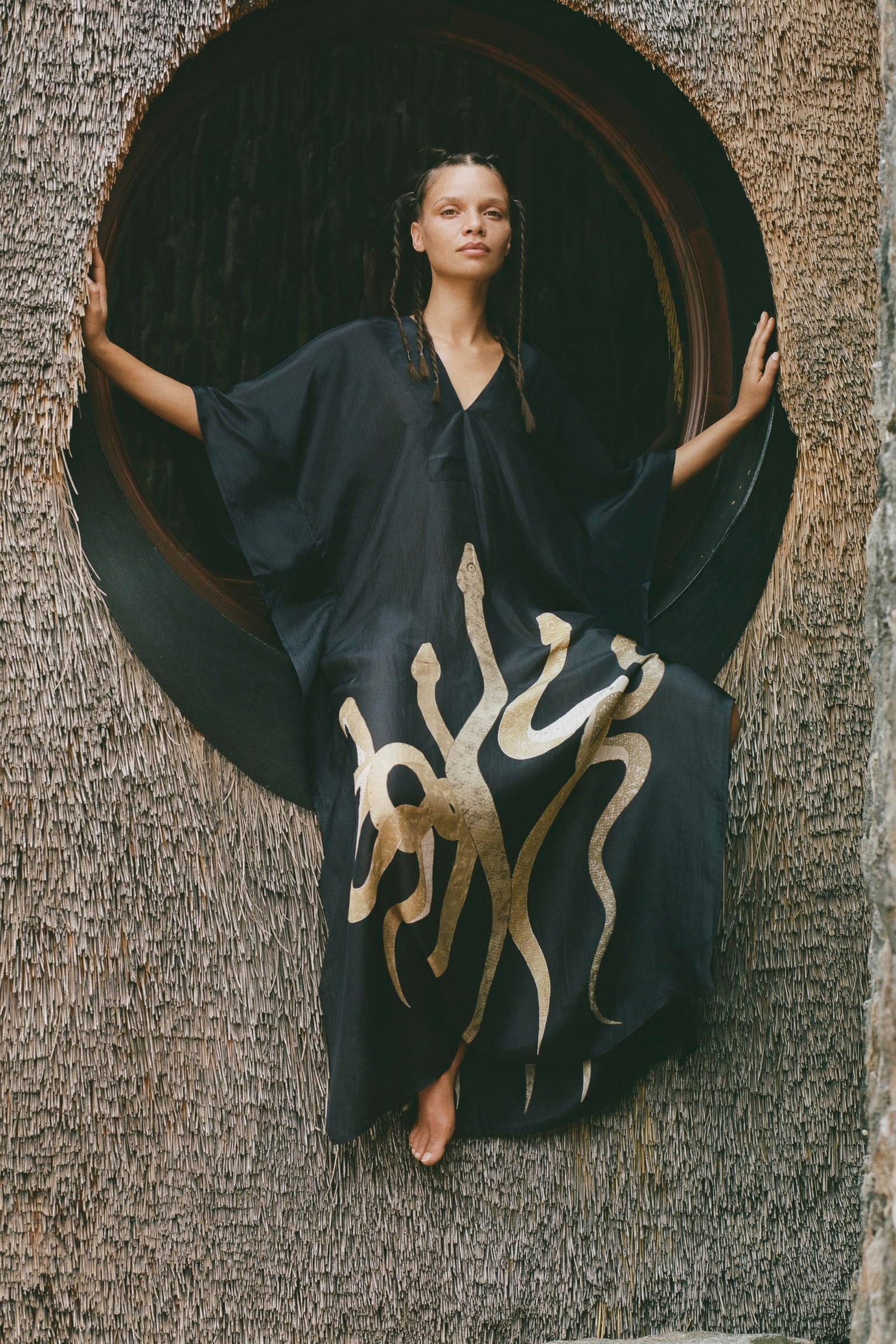
At FARA Boutique, many of our garments begin as hand illustrations inspired by travel, mythology, and the natural world. These designs are not rushed. They are developed slowly, with care and intention, because beauty takes time.
4. It Changes How We Consume
Slow fashion invites us to build wardrobes with purpose. Instead of asking “Is this on trend?”, we ask:
-
Do I love this?
-
Will I wear it for years?
-
Does it align with my values?
This shift not only reduces waste but creates a deeper emotional connection to what we wear.
India has a long and rich history of textile craftsmanship, from hand printing to weaving and embroidery. When approached ethically, producing garments in India can support skilled artisans and preserve traditional techniques.
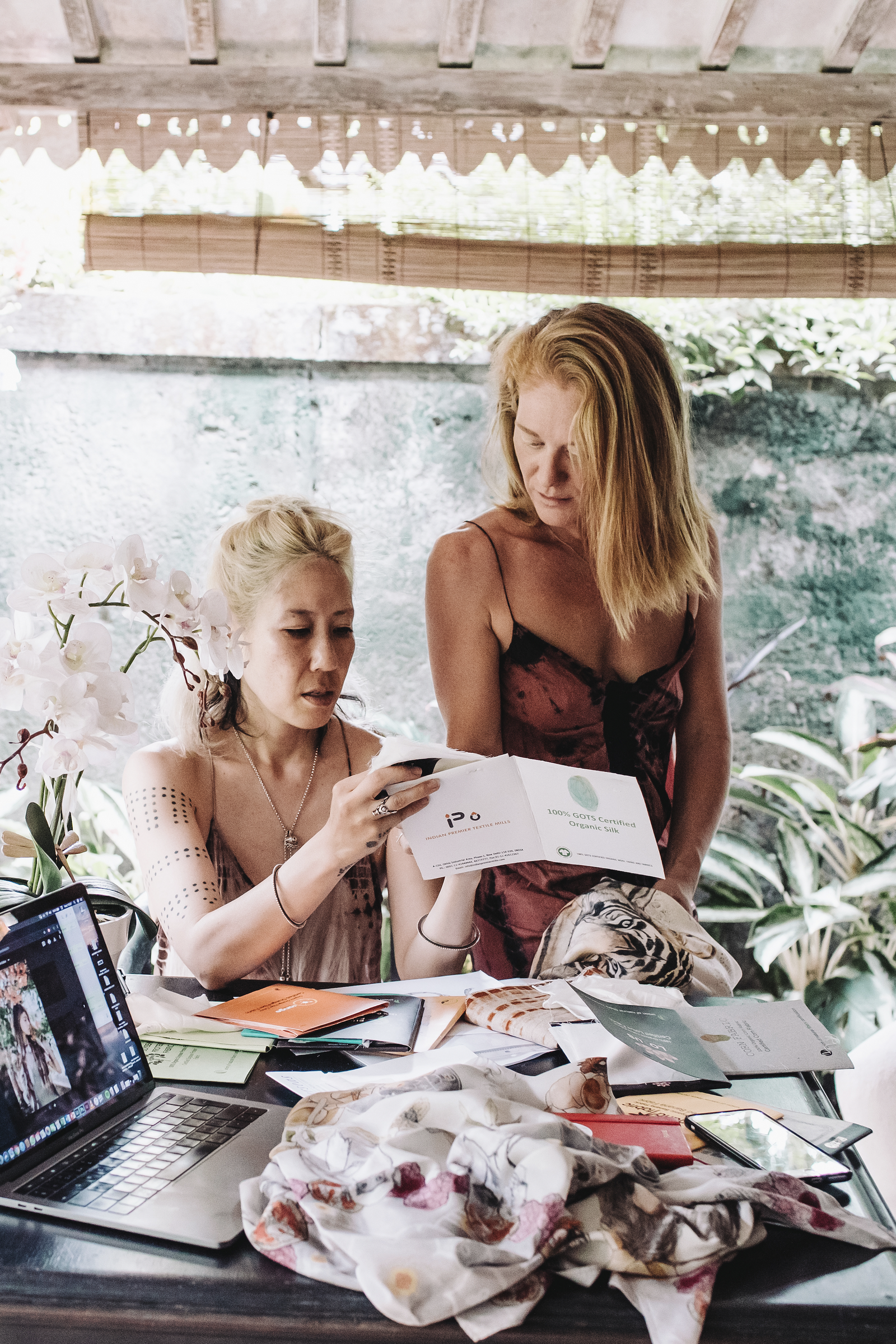
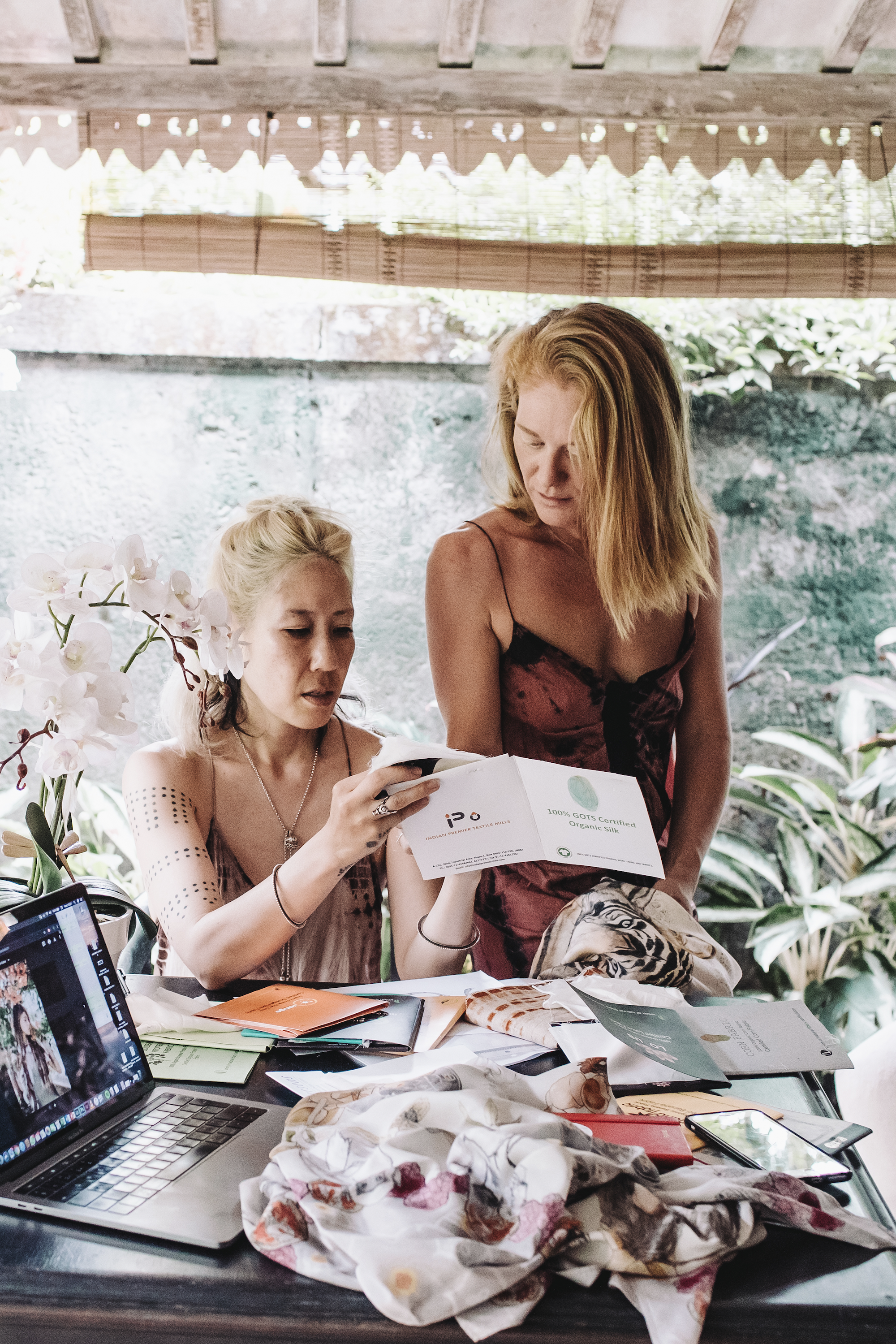
Responsible slow fashion brands work closely with their production partners, ensuring fair treatment, respectful collaboration, and sustainable practices.
For us, producing in India is about honouring craft, not exploiting it. It means building long-term relationships and valuing the hands behind every garment.
How to Support Slow Fashion as a Consumer
Choosing slow fashion does not require perfection. It begins with awareness and small, intentional shifts:
-
Buy fewer pieces, but choose better quality
-
Learn about the brands you support
-
Care for your clothes properly to extend their life
-
Rewear, repair, and restyle what you already own
Every considered purchase sends a message about the kind of industry we want to support.
Why We Choose Slow Fashion at FARA Boutique
At FARA Boutique, slow fashion shapes every decision we make. Our collections are produced in limited runs, designed to feel timeless rather than trend-led. We believe clothing should feel personal, something you return to, season after season.
Our garments are created for women who value creativity, individuality, and conscious living. Pieces that feel meaningful, not disposable.
Slow fashion matters because it reconnects us, to the makers, to the materials, and to ourselves.
Slow fashion is not about doing everything perfectly. It is about doing things thoughtfully.
By choosing slow fashion, we choose care over convenience, quality over quantity, and meaning over excess. And in a world that moves faster every day, that choice matters more than ever.


